














Falling, being chased, losing teeth: the most common dreams, and what can honestly be said
A handful of dream themes turn up everywhere, across decades and cultures. That is a real finding. What it means is a much weaker claim than most sites admit.
Being unable to move or make a sound is extremely common, and it sits on the boundary between an ordinary dream and sleep paralysis. Working out which one you had is the single most useful thing this page can help with.
Also searched as: cannot speak, cannot scream, paralysed, frozen, unable to move, no voice

This entry exists to make a distinction that dream dictionaries almost never make, and that matters enormously to the person having the experience.
In an ordinary dream, being unable to move or speak is a narrative event. You are somewhere, something is happening, and you cannot shout or run. It is frustrating and frightening and it is a dream.
In sleep paralysis, you are awake, or partly awake, in your actual bed, aware of your actual room, and genuinely unable to move, because the muscle atonia of REM sleep has persisted into waking. It is a physiological event, it is extremely well documented, it is harmless, and it is often accompanied by a sense of presence in the room.
People conflate these constantly, and the conflation causes real distress: someone who has had sleep paralysis and is told they had a nightmare gets no useful information at all. The Sleep Science section covers sleep paralysis properly, and this page's job is largely to point there.
Almost none, which is unusual. The nearest thing is the relief of learning that sleep paralysis is harmless and common: genuinely, for many people, the most useful thing this site can tell them.
Some experienced lucid dreamers deliberately use sleep paralysis as an entry point to a wake-initiated lucid dream, which turns the experience into a tool. That is covered in the WILD guide, with the safety caveats it needs.
Trying to scream and producing nothing. One of the most commonly reported dream experiences of any kind.
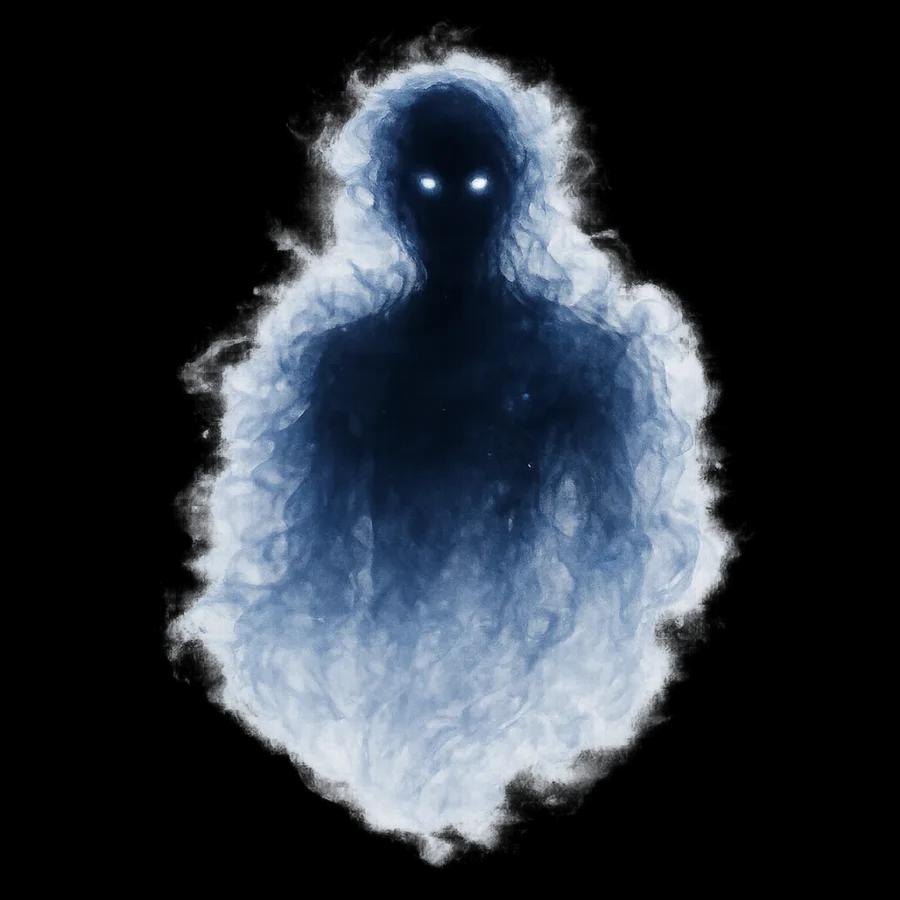
The presence in the room during sleep paralysis, which is the single most frightening thing many people ever experience and which has a well-described physiological basis.
Chest pressure, likewise: the "incubus" component of sleep paralysis, associated with the shallow, irregular breathing of REM.
In ordinary dreams, the powerlessness reading has face validity and dreamers usually reach for it themselves: situations where they feel unheard, unable to act, or unable to say the thing.
In sleep paralysis, psychological interpretation is largely beside the point. The experience is generated by a well-understood mismatch between REM muscle atonia and returning awareness. What is psychologically interesting is what people make of it, and that varies enormously by culture, which is the subject of some genuinely fascinating research.
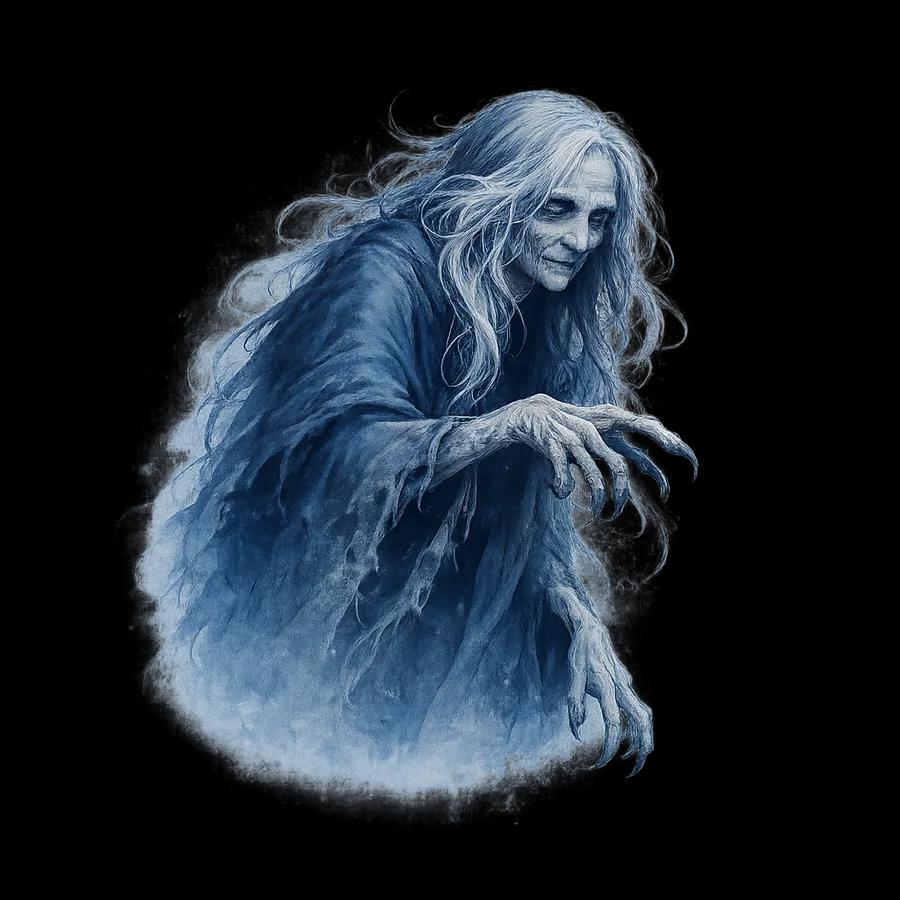
Sleep paralysis has attracted a named tradition in an extraordinary number of cultures: the Old Hag in Newfoundland, kanashibari in Japan, the incubus and mara traditions across Europe (the origin of the word nightmare), and many others.
The critical finding, and the one this site's whole archive is built on: the core experience is consistent across cultures, while the interpretation varies. The experience generates the folklore, not the other way round. That is the central argument of Hufford's work and it is why the Bestiary holds itself to an evidence standard.
Well established, and this is the entry where the science genuinely helps most.
REM sleep involves muscle atonia: the body is paralysed to prevent acting out dreams. Sleep paralysis occurs when this atonia persists into waking or begins before sleep, leaving the person conscious and unable to move.
Lifetime prevalence is substantial: systematic review estimates place it at roughly 8% of the general population, considerably higher in students and in psychiatric populations.
The hallucinations have a described structure: an intruder component (sensed presence, fear), an incubus component (chest pressure, breathing difficulty) and vestibular-motor components (floating, falling, out-of-body sensations). This three-factor structure accounts for the striking consistency of reports across cultures.
It is harmless. Frightening, sometimes extremely so, but not dangerous.
The three questions that separate the two phenomena:
Three yeses means sleep paralysis, and the Sleep Science page is where you should go next.
Recurrent sleep paralysis is associated with sleep deprivation, irregular schedules, sleeping on the back, stress and some sleep disorders. All of these are trackable in the sleep log, and doing so is far more useful than interpreting the content.
Recurrent inability to speak in ordinary dreams is a different matter and is worth a note by who you were trying to speak to.
Each of these is written separately, not generated from this page.
These are for your journal, not for us. Nothing you write is shared.
Dream interpretation is subjective. Nothing here is a diagnosis, a prediction, or medical advice.
4 references. What these labels mean
J. Allan Cheyne (2003) · Dreaming
Cited for: The three-factor structure of sleep-paralysis hallucinations (intruder, incubus and vestibular-motor experiences) which accounts for the recurring "presence in the room" and "pressure on the chest" reports.
Brian Sharpless and Jacques Barber (2011) · Sleep Medicine Reviews
Cited for: Prevalence estimates for sleep paralysis across general, student and psychiatric populations.
David J. Hufford (1982) · University of Pennsylvania Press
Cited for: The central finding behind this entire archive: that the "old hag" experience shows a stable core description across cultures with no prior exposure to the tradition. That is, the experience generates the folklore rather than the other way round.
Shelley Adler (2011) · Rutgers University Press
Cited for: How culturally specific interpretations attach to a physiologically consistent sleep experience, and what happens when they do.
How dreams of being unable to speak or move have gone for other people, in their own words. Nothing here is an interpretation of anyone else's dream. It is a record of what happened and what it was like.
Nothing here yet. Be the first to say how this has gone for you.
A dream that frightens you and keeps coming back is its own subject. The nightmares section covers what is known about why they recur, the one rewriting technique with real evidence behind it, and when a nightmare stops being a dream problem and becomes something a clinician should hear about.
From the archives, and held to their own evidence standard rather than to the one on this page. Reported alongside being unable to speak or move often enough to be worth naming.
These pages link to being unable to speak or move, either as something reported in the same dream or as a related subject. This page does not point back at all of them, so the list is assembled rather than chosen.
Further reading
A handful of dream themes turn up everywhere, across decades and cultures. That is a real finding. What it means is a much weaker claim than most sites admit.
You wake up unable to move and there is someone in the room. It is one of the most consistently reported experiences there is, and it is harmless.