The Nocturnal Bestiary
The One in the Corner
No reports collected on this site yet. See the assessment
- Sleep paralysis
- Hypnopompic (waking up)
- Hypnagogic (falling asleep)
A figure standing in the corner of the bedroom, seen on waking, that does not approach. It is among the most consistently described positions in the sleep paralysis literature and the position itself is the distinctive feature.
Also called: a figure in the corner, something in the corner of the room, standing in the corner
This is an archive of what people report. A consistent description across independent reports is evidence that an experience recurs. It is not evidence that anything external exists. How this archive is built
What separates this from the bedroom presence is location and stillness. The presence is felt to be near, frequently at the bedside; this one is in a corner, at a distance, and remains there.
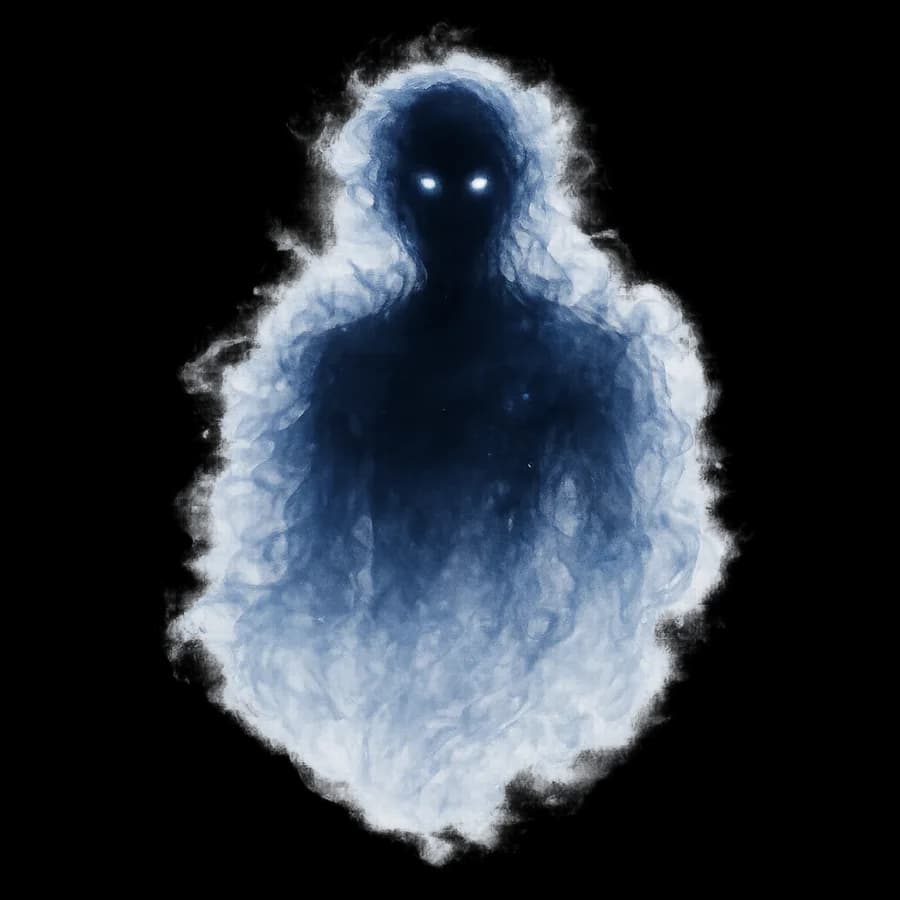
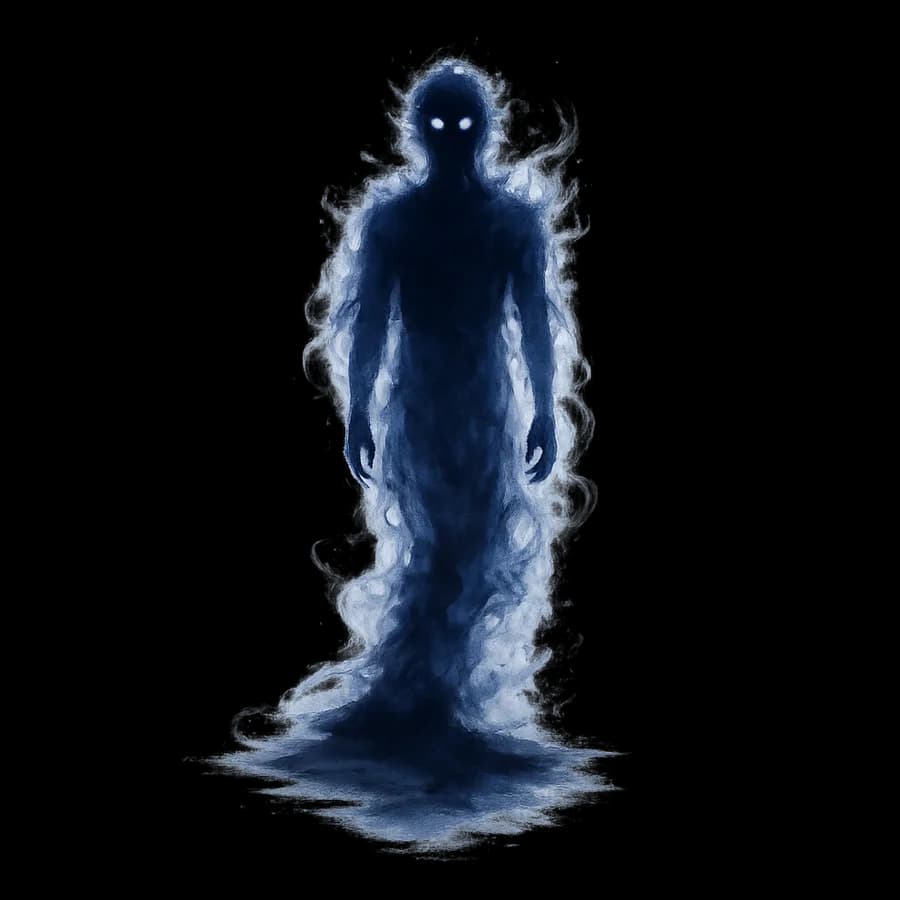
Reports describe it as upright, dark, and facing the bed. Detail is minimal and dreamers frequently describe only an outline and a direction.
The absence of approach is what dreamers find hardest. It does not come closer, and the episode ends with it still there.
Corners specifically, rather than doorways or bedsides, recur across reports from people with no contact with each other.
Editorial assessment
Confidence: sleep-paralysis-associated.
This entry claims exactly one thing: that a stationary corner figure is a recurrent feature of sleep paralysis reports. That claim is supportable. The physiology is well described, the intruder experience is one of the established categories in the literature, and the position detail recurs.
What this entry does not claim is independence. Corner figures appear in horror fiction constantly, and there is no way from the available reports to establish that people describing one had not encountered the image first. That is the same problem the Hat Man entry has, and it is the reason this sits below repeated.
It is filed as sleep-paralysis-associated rather than higher because the association with a physiological state is the part that is genuinely established. Everything else here is description.
Typical appearance
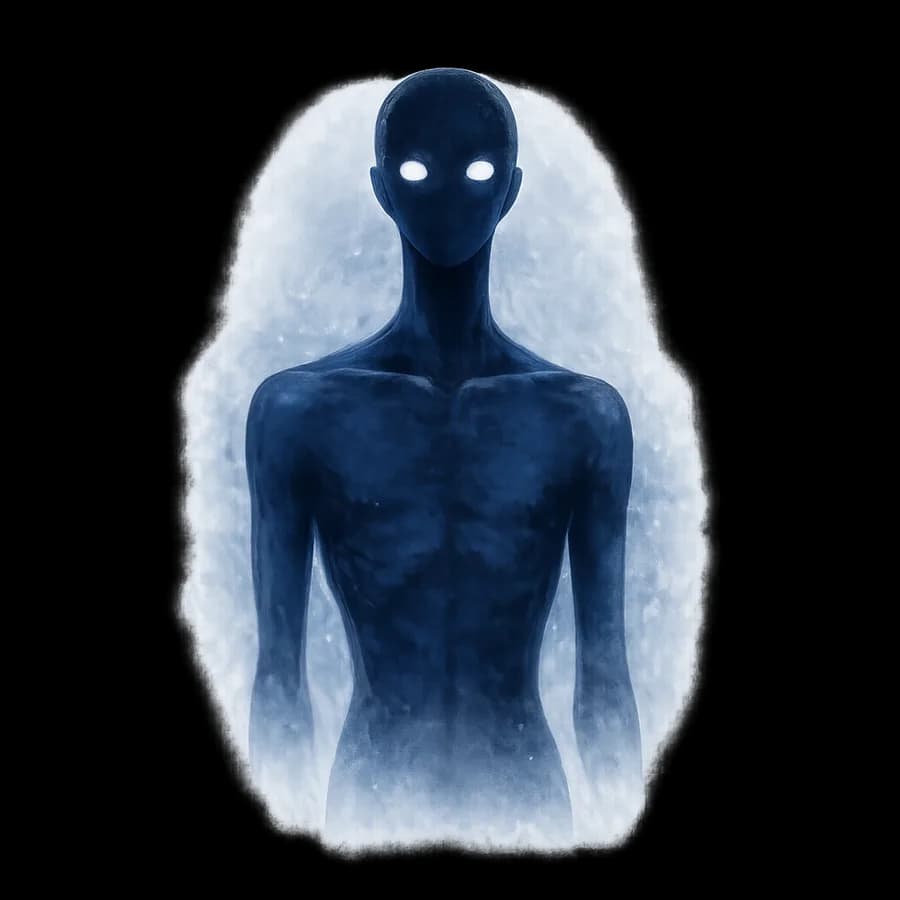
An upright dark shape without resolved features, standing in a corner of the room. Height is frequently described as greater than a person. Faces are almost never reported, and where they are, dreamers cannot describe them afterwards.
Typical behaviour
Stands. Does not approach, speak or gesture. Faces the sleeper. Reports consistently emphasise that it is aware of being seen and does nothing about it, which is the same quality the watcher at the treeline has and the reason both are filed as watchers rather than intruders.
Where it appears
The sleeper's own bedroom, accurately reproduced, on waking or at sleep onset. Almost never in a dream proper.
Common encounter sequence
- Waking, or partial waking, with the room correctly perceived.
- Inability to move.
- Awareness of the corner before looking at it.
- A figure there, stationary, for the duration.
- Movement returns and it is gone.
How the dreamer feels
Dread rather than panic, sustained. Reports describe a certainty that it should not be there rather than a fear of what it will do, which fits its not doing anything.
Earliest traceable reports
Not separable as a named figure in historical material. The pressing and approaching entities of the older traditions are the hag and the incubus, and a stationary corner figure is not distinguished in those accounts, which may reflect the sources rather than the experience.
Geographic and community spread
Reports come from widely separated places and the corner detail is consistent across them, but the sample available to this archive is small, English-language and self-selected. That is a real limitation and it is why this is not filed higher.
Similarities and differences
Whether it is felt as hostile varies. A substantial minority describe it as indifferent rather than threatening, which is unusual for a paralysis figure and is worth noting. Some reports place it at the foot of the bed rather than a corner, at which point it is closer to the bedroom presence and this archive does not attempt to separate them.
Common associations
- Position, which is the distinctive feature.
- Stillness, and the absence of approach.
- Being aware of being seen.
- Paralysis, which is where the reports come from.
Positive readings
Knowing what it is removes a great deal of its force, and that is the most useful thing this page does.
Sleep paralysis is common, physiologically explained, and not dangerous, and the sleep-science material covers it properly and is not paywalled.
Difficult readings
These experiences are genuinely frightening and telling somebody it was only a dream does not help, because it was not a dream in the ordinary sense: the room was real and they were partly awake.
Where episodes are frequent, side sleeping, regular timing and adequate sleep are all associated with fewer of them.
Psychological perspectives
Muscle atonia persisting into waking, with consciousness returned and threat detection running, is the established mechanism. A vigilance system with no input to resolve produces a presence, a location and no detail, which is exactly what reports contain.
Why a corner rather than a bedside is not established. One possibility is that peripheral vision in a dim room resolves corners least well; that is a suggestion and the entry marks it as one.
Cultural and historical
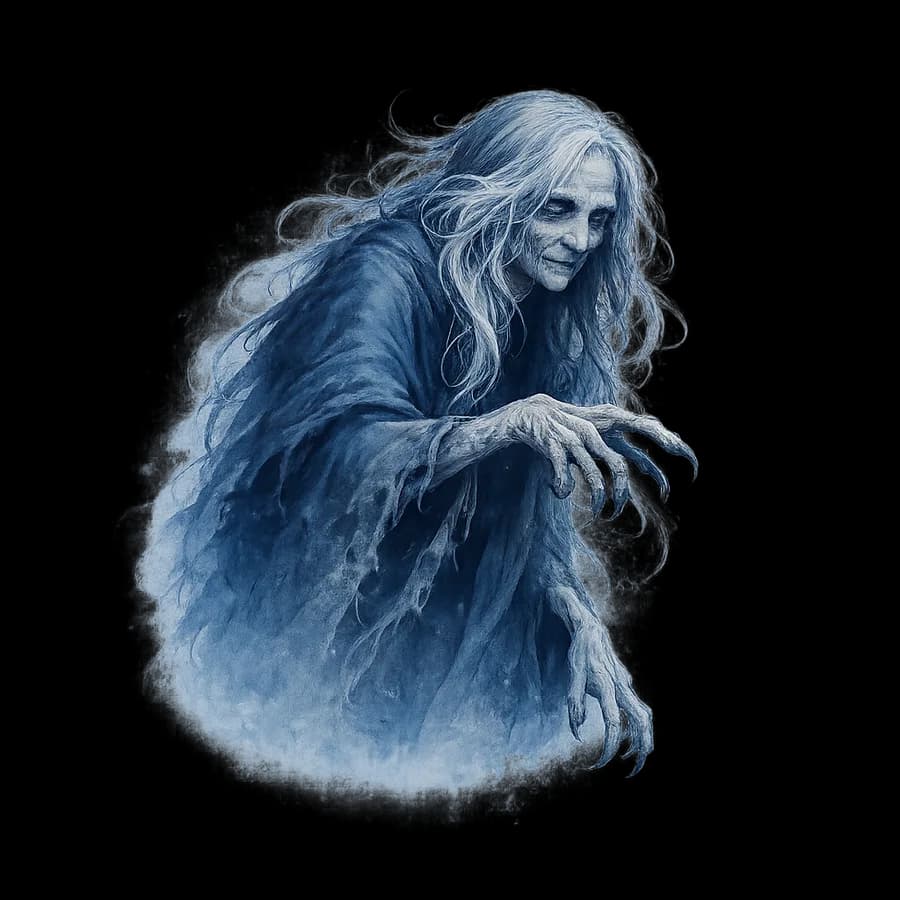
Every culture with a written record has figures for the night-time intruder, and the Bestiary covers the hag and related material in full.
A specifically stationary corner figure is not among the traditional named entities, which is worth stating: this is a modern description of an old experience.
What the sleep science says
Well established: sleep paralysis, its mechanism, prevalence and association with supine sleep, deprivation and irregular schedules.
Well documented: the intruder experience as one of the recognised categories of sleep paralysis hallucination.
Not established: any independent existence, and the entry does not claim one.
Your own context
- Could you move?
- Was the room accurate?
- Did it approach at any point?
- Where exactly was it?
If this recurs
Log with the other paralysis experiences and record sleeping position and how much sleep you had. Those two variables are the ones with evidence behind them.
Emotions often reported
- dread
- terror
- helplessness
- alarm
- unease
- relief
Questions for reflection
These are for your journal, not for us. Nothing you write is shared.
- Could I move?
- Was the room right?
- Did it ever come closer?
Dream interpretation is subjective. Nothing here is a diagnosis, a prediction, or medical advice.
Sources and reviewed references
4 references. What these labels mean
- 1.Sleep Paralysis and the Structure of Waking-Nightmare HallucinationsPeer-reviewed research
J. Allan Cheyne (2003) · Dreaming
Cited for: The three-factor structure of sleep-paralysis hallucinations (intruder, incubus and vestibular-motor experiences) which accounts for the recurring "presence in the room" and "pressure on the chest" reports.
- 2.Lifetime Prevalence Rates of Sleep Paralysis: A Systematic ReviewPeer-reviewed research
Brian Sharpless and Jacques Barber (2011) · Sleep Medicine Reviews
Cited for: Prevalence estimates for sleep paralysis across general, student and psychiatric populations.
- 3.The Terror That Comes in the Night: An Experience-Centered Study of Supernatural Assault TraditionsAcademic book
David J. Hufford (1982) · University of Pennsylvania Press
Cited for: The central finding behind this entire archive: that the "old hag" experience shows a stable core description across cultures with no prior exposure to the tradition. That is, the experience generates the folklore rather than the other way round.
- 4.Sleep Paralysis: Night-mares, Nocebos, and the Mind-Body ConnectionAcademic book
Shelley Adler (2011) · Rutgers University Press
Cited for: How culturally specific interpretations attach to a physiologically consistent sleep experience, and what happens when they do.
Encounters
How the one in the corner has actually turned up for other dreamers, in their own words. Add a drawing if you have one. A picture describes a figure in a way that the words on this page have not already shaped.
Nothing here yet. Be the first to say how this has shown up for you.
Specific encounters
The variants people report most often. Each is written from the accounts rather than composed from this page.
Related figures
- PlaceBedroomThe bedroom is the one setting where a dream can be mistaken for the room you are actually in, and that makes it different from every other entry here. A large share of frightening bedroom dreams are sleep paralysis rather than dreams about a bedroom.
- Dream creatureThe Bedroom PresenceThe sense that someone is standing in the room, usually in a doorway or beside the bed, reported without any visual detail. It is the most common component of sleep paralysis and one of the most frightening experiences people have.Sleep-paralysis associated
- Dream creatureThe Shadow PersonA dark humanoid figure, featureless, often seen at the edge of vision. The underlying experience is well documented; the name, the appearance and the shared details are substantially a product of the internet, and this page treats them separately.Internet-influenced
- Dream creatureThe WatcherA presence at the edge of a dream landscape (treeline, doorway, horizon) that watches and does not approach. Distinct from the bedroom presence in that it occurs inside dream narratives rather than at the sleep boundary.Emerging pattern
- Dream creatureThe Hat ManA tall dark figure in a brimmed hat, reported during sleep paralysis. The most famous entry in modern dream-entity folklore, and one where the evidence for independence is weaker than its reputation suggests.Internet-influenced
- Dream creatureThe Old HagThe best-evidenced entry in this archive, and the one that founded the method. A crushing presence during sleep paralysis, reported with a consistent core description across cultures that had no contact with each other.Widely reported